History and National Plant Collections

A living collection rooted in centuries of woodland, shaped by the Ropner family and cared for as a place of history, champion trees and conservation.

A living legacy

Rooted in woodland, shaped by custodianship

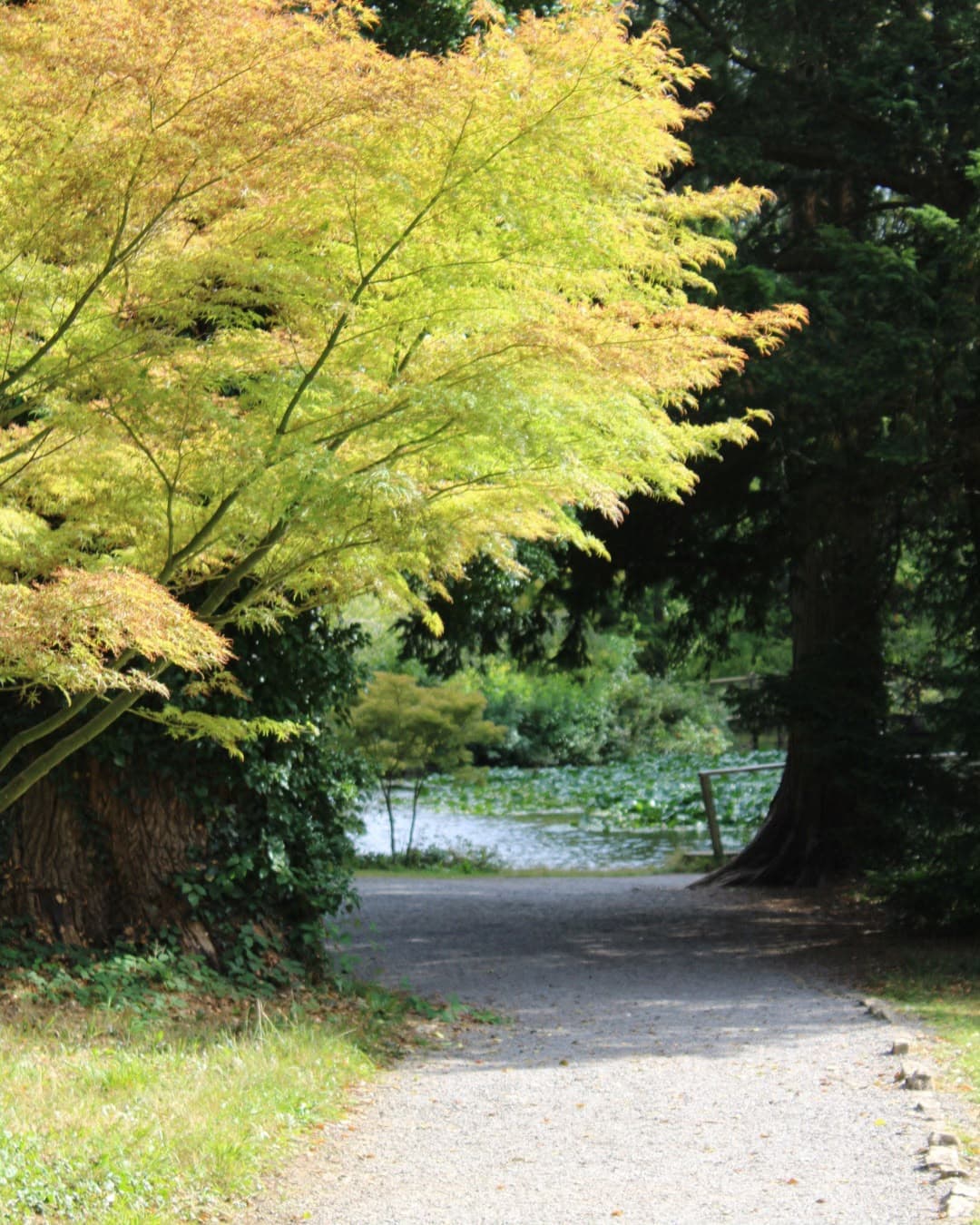
The arboretum is a historical living collection of trees from all over the world, some incredibly rare, some unusual and many ancient. Trees have featured strongly here since medieval times, with Springs Wood at the heart of the estate continuing as woodland through the centuries.

Now and next

The story runs from the medieval woodland into the Ropner family era and the current custodianship of Sir Henry Ropner, Natasha and family.

Ropner family walking through the arboretum

Photo Credit: Abi Whitmarsh

Timeline

A timeline through the estate's story

  1. 1

    Medieval times

    Springs Wood continues as woodland

    Evidence tells us that Springs Wood, the heart of the arboretum, has remained continued woodland since medieval times.

  2. 2

    1895 – 1977

    Colonel Sir Leonard Ropner plans and plants the arboretum

    After his family bought the estate, Sir Leonard began planning and planting at 32 years old, creating the foundation of the collection visitors see today.

  3. 3

    1937 – 2016

    Sir John Ropner and Niki develop the arboretum

    The Ropner family continued the work, shaping the arboretum into the landscape guests explore now.

  4. 4

    Today

    Current custodianship keeps the story moving

    Sir Henry Ropner, Natasha and family are the current custodians, continuing the balance of conservation, planting and visitor experience.

National collection

Plant Heritage, champion trees and living stewardship

Thorp Perrow holds five National Plant Collections under the guidelines set out by Plant Heritage, and the estate is proud to hold 51 Champion Trees, with 12 of those held within some of the National Plant Collections.

Plant Heritage

Five National Plant Collections

The former NCCPG, now Plant Heritage, was founded in 1978 to support the propagation, conservation and education around cultivated plants in Britain. Thorp Perrow holds five National Plant Collections under the guidelines set out by Plant Heritage

Tree Register

51 Champion Trees

The Tree Register was set up in 1988 and records exceptionally large, historic, rare and remarkable trees across Britain and Ireland.

More than 150,000 trees are recorded in the database and Thorp Perrow is proud to hold 51. 12 of Thorp Perrow's Champion Trees sit within some of the collections.

Explore the collection

Our National Collections

We are guardians of five National Collections here at Thorp Perrow, swipe through to find out more.

Lime National Collection

Collection since 1991

Tilia (Lime)

English name Lime tree, other names include Linden, and Basswood. Tilia is a genus of about 30 species of trees native throughout most of the temperate Northern Hemisphere. The genus occurs in Europe and eastern North America, but the greatest species diversity is found in Asia.

Laburnum National Collection

Collection since 2001

Laburnum

English name Golden Chain Tree, is a genus of two species of small trees in the subfamily Faboideae of the pea family Fabaceae. They are native to the mountains of southern Europe from France to the Balkans.

Cotinus National Collection

Collection since 2002

Cotinus ( Smoke Bush)

English name Smoke tree or Smoke bush is a genus of two species of flowering plants in the family Anacardiaceae. Naïve to the warm temperate northern hemisphere.

Ash National Collection

Collection since 1991

Fraxinus (Ash)

English name Ash tree, is a genus of flowering plants in the olive and lilac family, Oleaceae. It contains 45-65 species of usually medium to large trees, mostly deciduous though a few subtropical species are evergreen. The genus is widespread across much of Europe, Asia and North America.

Walnut National Collection

Collection since 1991

Juglus (Walnut)

English name Walnut tree, is a genus of 21 species in the family of Juglandaceae, the seeds of which are referred to as walnuts. All species are large deciduous trees. They are native species across the north from southeast Europe east to Japan, as well as southeast Canada, California and Argentina.

Tree of the month August, Catalpa

Collection highlight

Tree of the month: Malus

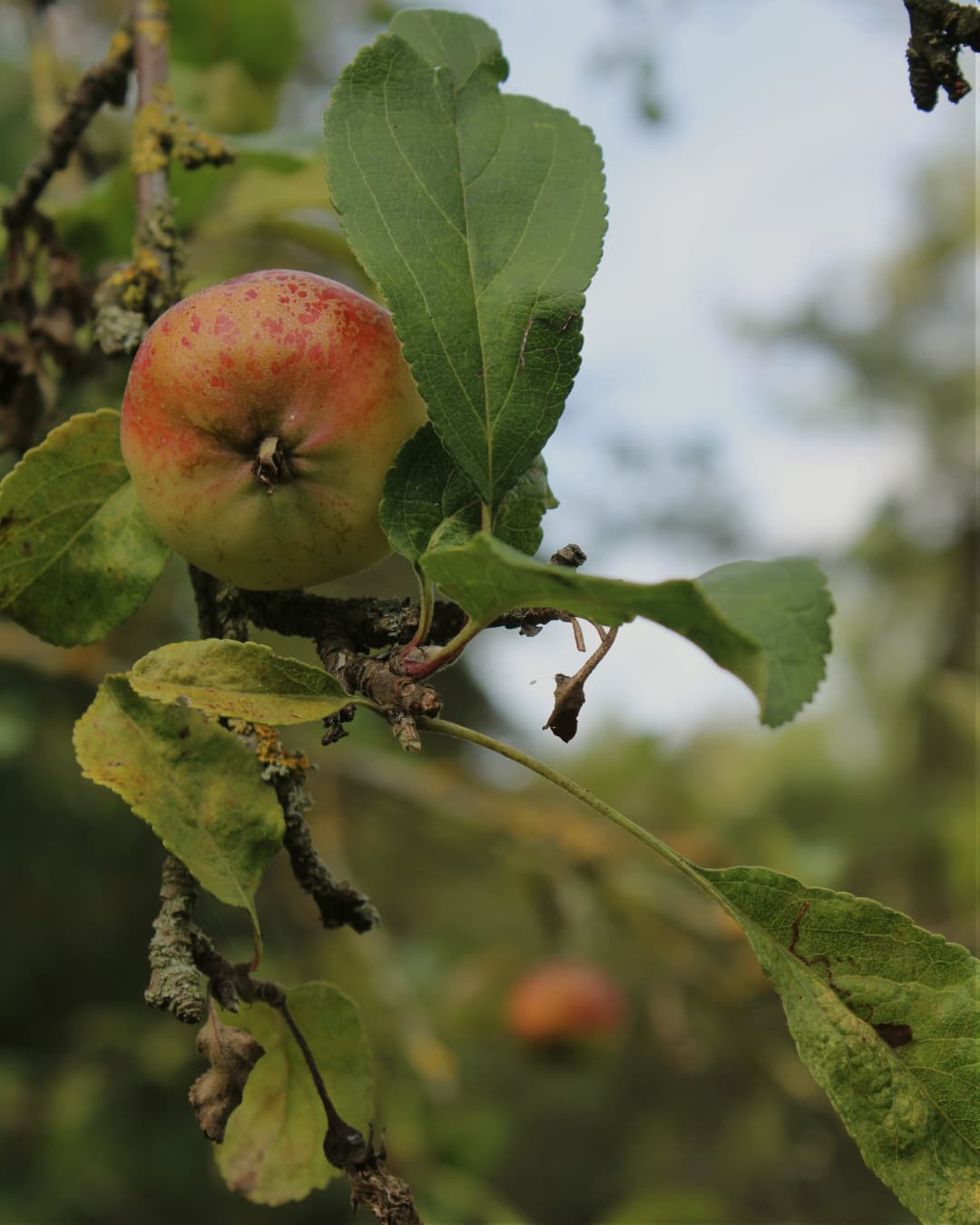
As the harvest season draws to an end and Autumn starts to appear, we wanted to celebrate Malus for our tree of the month for September.

Malus is a genus of about 30–55 species of small deciduous apple trees or shrubs in the family Rosaceae which includes the domesticated orchard apple. The other species are generally known as crab apples, crabs, or wild apples. Malus are native to the Northern Hemisphere.

Crab apples are an excellent source of pectin, and their juice can be made into a ruby-coloured preserve with a full, spicy flavour. Known in Old English as Wergulu, the crab apple is one of the nine plants invoked in the pagan Anglo-Saxon nine herb charm, recorded in the 10th century.

In 2025, the team were busy planting Malus along our Cherry Tree Avenue. The original 1920s avenue was interplanted with Malus and after replanting the cherry trees in 2015 it became apparent that the new Cherry Tree Avenue, although beautiful, missed the pop that the Malus brought to the original. So, it was decided that in 2025 we would add the Malus back into the avenue.

As well as the new Malus trees along the Cherry Tree Avenue you can also find more mature varieties on Carolyn’s Walk.